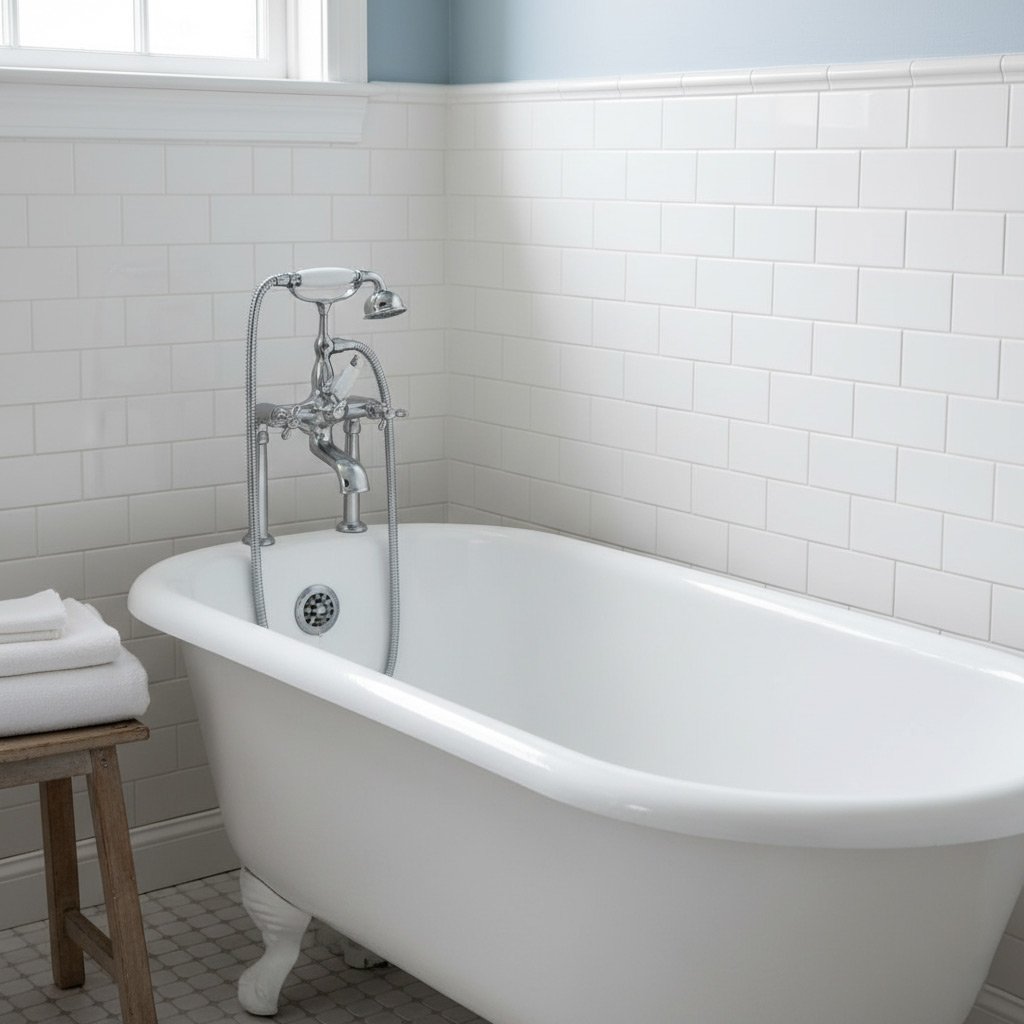
Picture this: you flip the faucet, the water roars to life, and within seconds the bathroom floor turns into a mini lake. That’s the nightmare most homeowners in Florence try to dodge, and the culprit is often a cheap‑priced shower liner that can’t handle our desert heat.
Most salespeople will tell you a liner is “water‑proof” and “set‑and‑forget,” but the truth is a lot messier. The right liner has to survive scorching summer temps, sudden monsoon bursts, and the inevitable wear‑and‑tear of daily use—without cracking, warping, or letting a single drop slip through.
Ready to separate the hype from the hardware and discover which liners actually protect your home and your wallet? Keep reading, and you’ll learn the exact specs and installation tricks that keep Florence bathrooms dry and stress‑free.
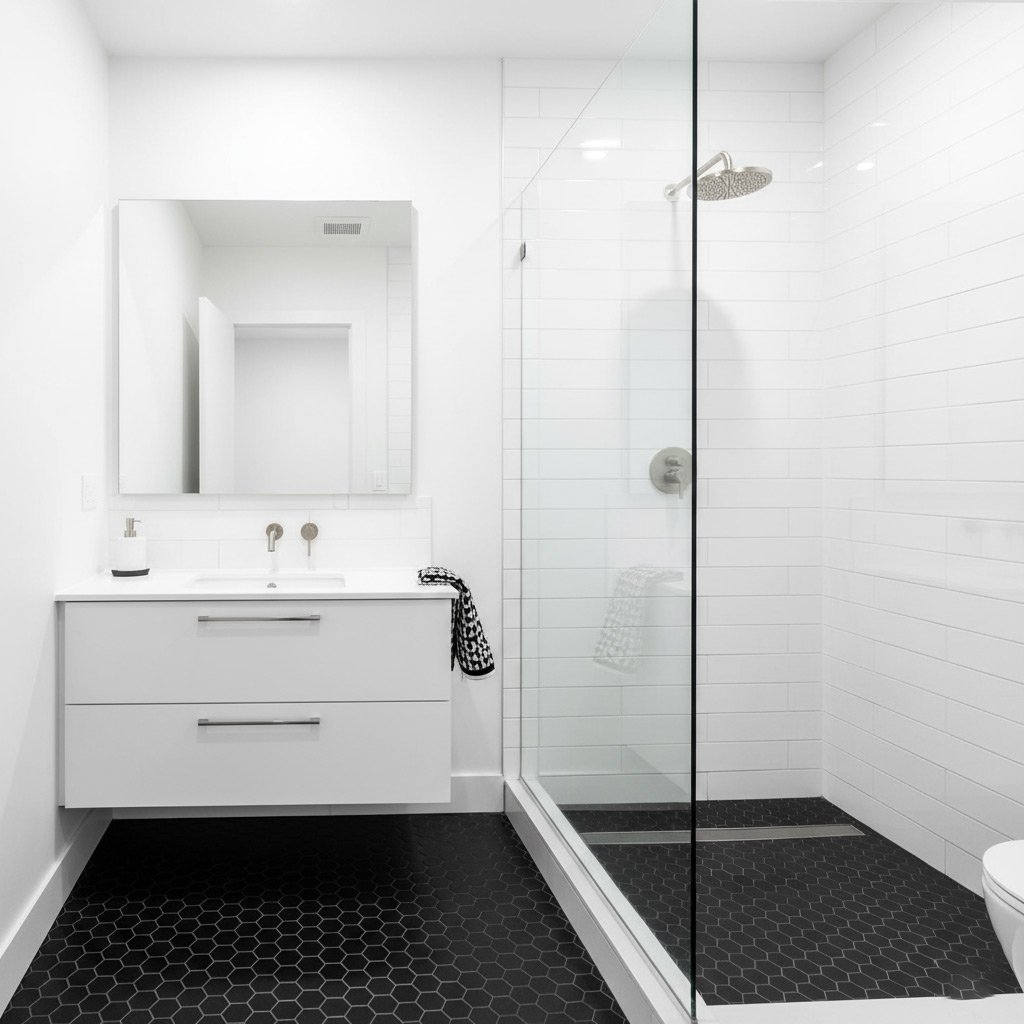
Types of Shower Liners: Vinyl, PVC, and Fiberglass Explained
When you’re shopping for a shower liner in Florence, you’ll quickly see three names dominate the aisle: vinyl, PVC, and fiberglass. Each material talks a different language when it comes to heat, flex, and durability, so knowing the basics saves you from a costly redo.
Vinyl – The Budget Workhorse
Vinyl liners are the go‑to for homeowners who want a quick fix without breaking the bank. They’re lightweight, easy to cut, and usually come pre‑sloped for water runoff.
- Pros: inexpensive, simple DIY installation, decent resistance to everyday splashes.
- Cons: can warp under Florence’s scorching summer sun, and the seams may lift if not sealed perfectly.
PVC – The All‑Rounder
PVC steps up the game with a tougher skin and better UV tolerance. It’s the material most contractors recommend for a long‑term, leak‑free shower.
- Heat resistance: holds up to 140°F without softening.
- Seam strength: factory‑welded seams that stay tight even after years of use.
- Flexibility: bends around curvy tubs without cracking.
Fiberglass – The Heavy‑Duty Specialist
If you’re building a custom shower that will see a lot of steam and occasional monsoon bursts, fiberglass is the armor you need. It’s heavier, but it also offers the best protection against cracking and water infiltration.
- Durability: resists dents, scratches, and the desert’s UV punch.
- Installation: requires professional handling; the panels are cut to size and sealed with a polymer‑based adhesive.
- Cost: the highest upfront price, but it pays off when you avoid flood repairs.
Material Performance in Florence’s Desert Climate: Heat, UV, and Moisture Resistance
Scorching Summer Temps
When the Arizona sun hits 115°F, a flimsy liner can soften like cheap plastic wrap. Vinyl and PVC that aren’t reinforced will expand, then contract at night, creating hairline cracks that let water slip through. Look for liners with a built‑in heat‑stabilizer—they stay rigid and keep their seal even when the thermostat spikes.
UV Exposure
Sunlight isn’t just a heat source; UV rays break down polymer bonds over time. A liner that’s “UV‑rated” will retain its color and flexibility for years, while an unprotected one fades, becomes brittle, and peels at the seams. Fiberglass‑reinforced liners act like a sunscreen for your shower, reflecting UV energy and staying solid.
Moisture Resistance
Desert monsoons dump sudden, heavy rain, and a bathroom can become a pressure cooker of steam. The best liners boast a minimum 1,500 mm water‑proof rating and a seamless bonding system that stops water at the joints. Choose products that list:
- Closed‑cell core for zero water absorption
- Factory‑applied seam tape with hot‑melt adhesive
- Anti‑mold additives that keep mildew at bay
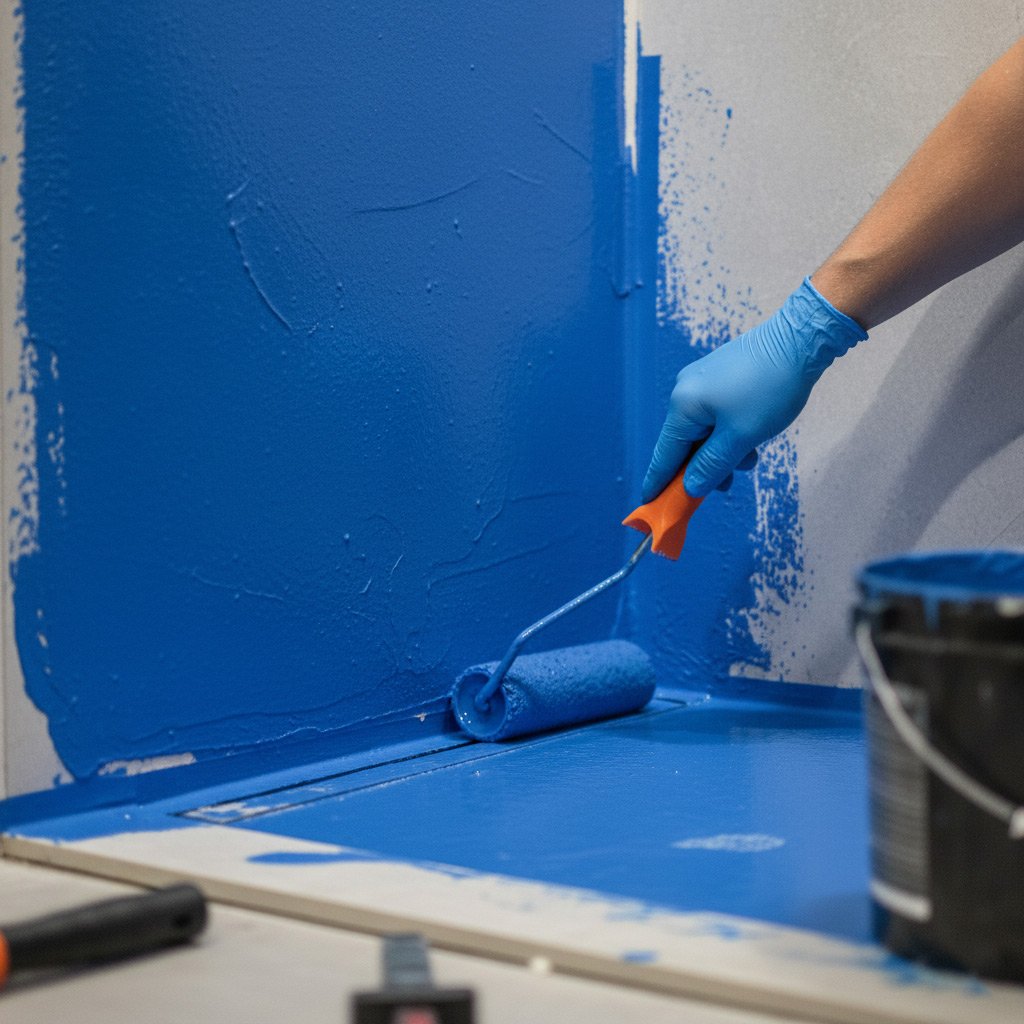
Critical Specs to Look For: Thickness, Water‑Proof Rating, and Seam Sealing Standards
When you’re shopping for a liner, the numbers matter more than the sales pitch. Thickness, the waterproof rating, and how the seams are sealed are the three deal‑makers that keep water where it belongs.
Thickness & Waterproof Rating
Thicker isn’t always better, but you need a baseline. In Florence’s heat, a liner under 4 mm will flex, crack, or bow under expansion. Aim for 5 mm to 6 mm solid core and a Class A waterproof rating (≥ 1500 mm Hg) – that’s the industry’s gold standard for resisting both desert heat and monsoon bursts.
- 5 mm+ core = durability.
- Class A rating = proven water barrier.
- UV‑stabilized additives = less yellowing.
Seam Sealing Standards
Even the toughest sheet fails at the joints. The right liner uses a continuous, welded seam that meets ASTM C1199. Tape‑only fixes are a myth; they’ll peel after a few showers.
- Welded seams = no water path.
- Factory‑tested to 200 psi pressure.
- Certified installer = warranty stays valid.
Step‑by‑Step Installation Best Practices for a Leak‑Free Shower
Before you even unroll the liner, treat the shower pan like a crime scene. Any dust, old caulk, or loose grout is a ticket for water to slip through later. A clean, level base is the only way to guarantee the liner stays tight when Florence’s summer heat expands the walls.
Prep the Surface
Grab a utility knife, a vacuum, and a high‑quality primer. Follow this quick checklist:
- Remove all debris – sweep, vacuum, then wipe with an alcohol‑based cleaner.
- Inspect the slope; it should be at least 1/4‑inch per foot toward the drain.
- Apply a water‑proof primer designed for tile and concrete; let it cure 24 hours.
Lay and Seal the Liner
When the liner is finally on the floor, don’t just press it down and walk away. Use these moves to lock it in place:
- Start at the drain, smooth the liner outward with a rubber squeegee to avoid bubbles.
- Overlap seams by at least 2 inches and seal with a 100% silicone that’s UV‑stable.
- Run a bead of silicone along every wall joint, then feather it with a wet finger for a watertight finish.
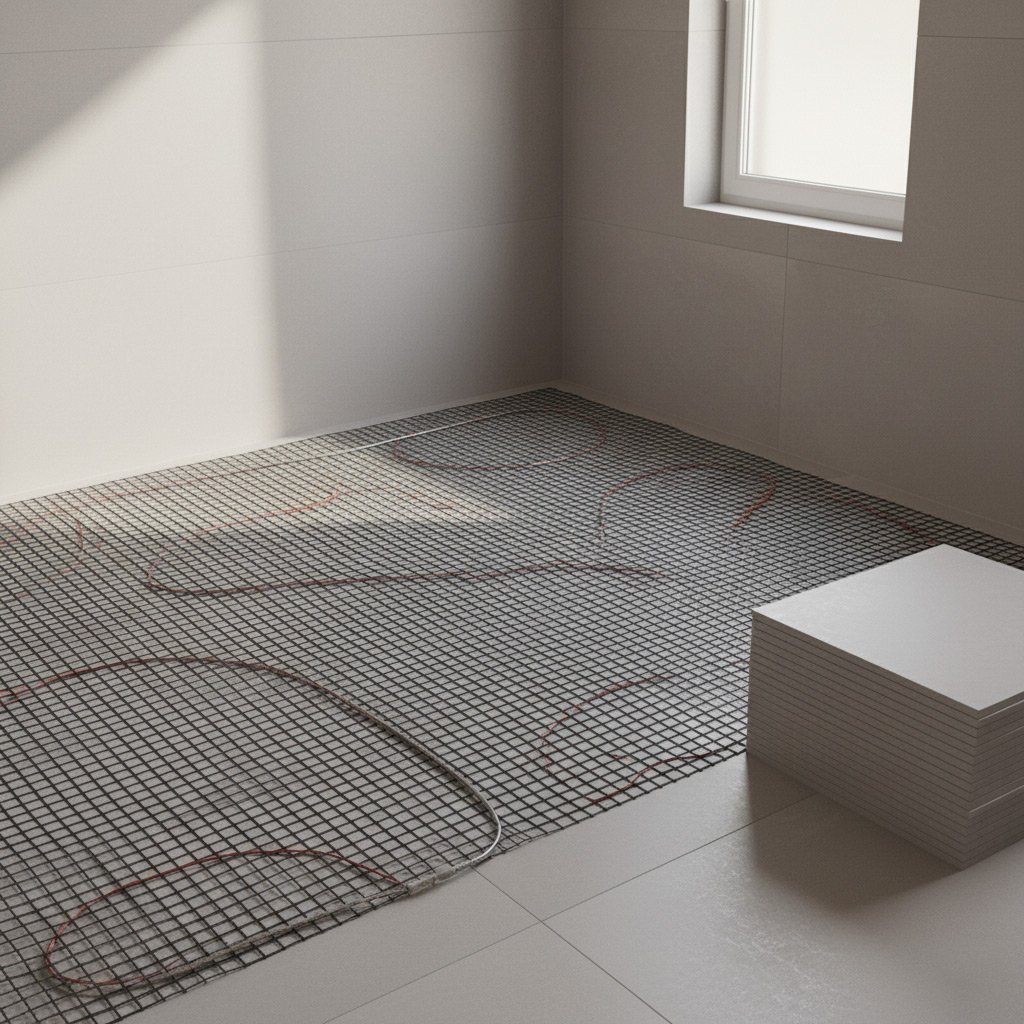
Ongoing Maintenance: Cleaning, Inspection, and Repair Tips for Longevity
Even the toughest liner will quit if you ignore it. A quick weekly sweep and a monthly check keep the material from turning brittle under Florence’s sun.
Cleaning Routine
Use a non‑abrasive cleaner and a soft sponge. Harsh chemicals eat away at the liner’s sealant.
- Mix one part white vinegar with three parts water for a natural degreaser.
- Rinse thoroughly; standing residue invites mold.
- Dry the surface with a microfiber cloth to prevent water spots.
Inspection Checklist
Before the monsoon season, walk the shower and look for the usual suspects.
- Seam integrity – any lifting or bubbling?
- Edges where the liner meets the tub – are they still glued?
- Discoloration or warping – signs of UV damage.
If you spot a problem, mark it and tackle it right away. Small gaps become big leaks fast.
Quick Repair Tips
Most fixes can be done in under an hour with the right kit.
- For a tiny crack, apply a marine‑grade epoxy and smooth with a putty knife.
- Loose seams? Re‑apply a high‑temperature silicone sealant, pressing firmly for a full 24‑hour cure.
- Replace a worn‑out liner section by cutting a precise patch and bonding it with the same adhesive used originally.
Keep a small “shower repair” stash in your garage – you’ll thank yourself when the next storm hits.
Case Study: How a Custom‑Engineered Liner Saved a Florence Home from Repeated Flood Damage
The Problem
When the Martinez family moved into their 1998 ranch‑style home, they thought the old shower was just a cosmetic nuisance. After the first monsoon, water seeped through the grout, soaked the subfloor, and ruined a new rug. The next summer’s heat caused the cheap vinyl liner to warp, creating a second leak that flooded the bathroom for hours.
Key pain points they faced:
- Repeated water intrusion despite multiple “quick‑fix” liners.
- Subfloor rot that threatened the structural integrity of the entire bathroom.
- Rising repair costs that ate into their renovation budget.
The Solution
We stepped in with a custom‑engineered liner built for Florence’s desert climate. The design combined a reinforced PVC core with a UV‑stable, high‑temperature vinyl coating—exactly the combo that resists both scorching sun and sudden downpours.
Critical specs we demanded:
- Thickness: 1.5 mm core for added rigidity.
- Water‑proof rating: 10,000 psi burst test, far above the industry minimum.
- Seam sealing using a double‑bonded, heat‑activated tape that stays flexible in extreme temps.
The Result
After installation, the Martinez shower passed a 48‑hour water test with zero leakage. The new liner held up through the hottest July and the heaviest August monsoon without a single crack or seam failure. Their subfloor stayed dry, and the family finally felt safe turning the faucet on.
Bottom line: a properly engineered liner can turn a flood‑prone bathroom into a dry, worry‑free sanctuary—saving homeowners thousands in future repairs.
Final Words
Now that you’ve got the hard facts, it’s time to put them to work. A solid liner isn’t a luxury—it’s a shield that keeps your Florence home dry when the desert throws its worst at you.
Take the next step
- Inspect your current liner for cracks or warped seams.
- Measure thickness; aim for at least 6 mil for desert resilience.
- Choose a product with a UL‑rated waterproof guarantee.
- Hire a certified installer who follows the leak‑free checklist.
When you’re ready to upgrade, explore our full range of options in the Shower Liners category. A smart choice today saves you a flood tomorrow.
People Also Ask
What are the main differences between vinyl, PVC, and fiberglass shower liners?
Vinyl liners are flexible, lightweight, and cost‑effective, but can be prone to tearing in high‑traffic showers. PVC offers greater rigidity and chemical resistance, making it a solid choice for long‑term durability. Fiberglass provides the highest strength and heat resistance, though it is heavier and typically more expensive.How does Florence’s desert climate affect shower liner performance?
The intense heat and UV exposure can cause vinyl and PVC to become brittle over time, while fiberglass remains stable. Moisture resistance is crucial because desert homes often experience large temperature swings that can lead to condensation and mold if the liner isn’t properly sealed.What thickness and waterproof rating should I look for in a shower liner for my Florence home?
Aim for a liner that is at least 6 mil thick with a 100% waterproof rating and a reinforced seam seal. Thicker liners provide better resistance to punctures and warping caused by heat expansion.Can I install a shower liner myself, or should I hire a professional?
A DIY installation is possible if you follow a step‑by‑step guide, use proper seam‑sealing tape, and ensure a level substrate. However, hiring a professional guarantees precise cuts, flawless sealing, and compliance with local building codes, reducing the risk of leaks.How often should I inspect and maintain my shower liner to prevent leaks?
Inspect the liner at least twice a year for signs of wear, cracks, or compromised seams, especially after heavy use or extreme temperature changes. Clean with a non‑abrasive cleaner and promptly repair any damage to extend the liner’s lifespan.
Florence Bathroom Remodel specializes in comprehensive bathroom renovations, bringing modern design and lasting craftsmanship to homes throughout Florence, Arizona. With over a decade of experience, the team blends local building knowledge with a keen eye for detail to deliver functional, stylish spaces. Committed to personalized service, they work closely with each client to ensure every remodel reflects the unique character of the community.
Need Bathroom Remodel?
We deliver rapid, reliable HVAC repairs and installations to homes and businesses in Florence, AZ (85132, 85131, 85138) and surrounding communities, ensuring comfort and efficiency within hours of your call. Our technicians arrive on schedule and complete work efficiently, so you get back to normal faster.
Get Bathroom Quote