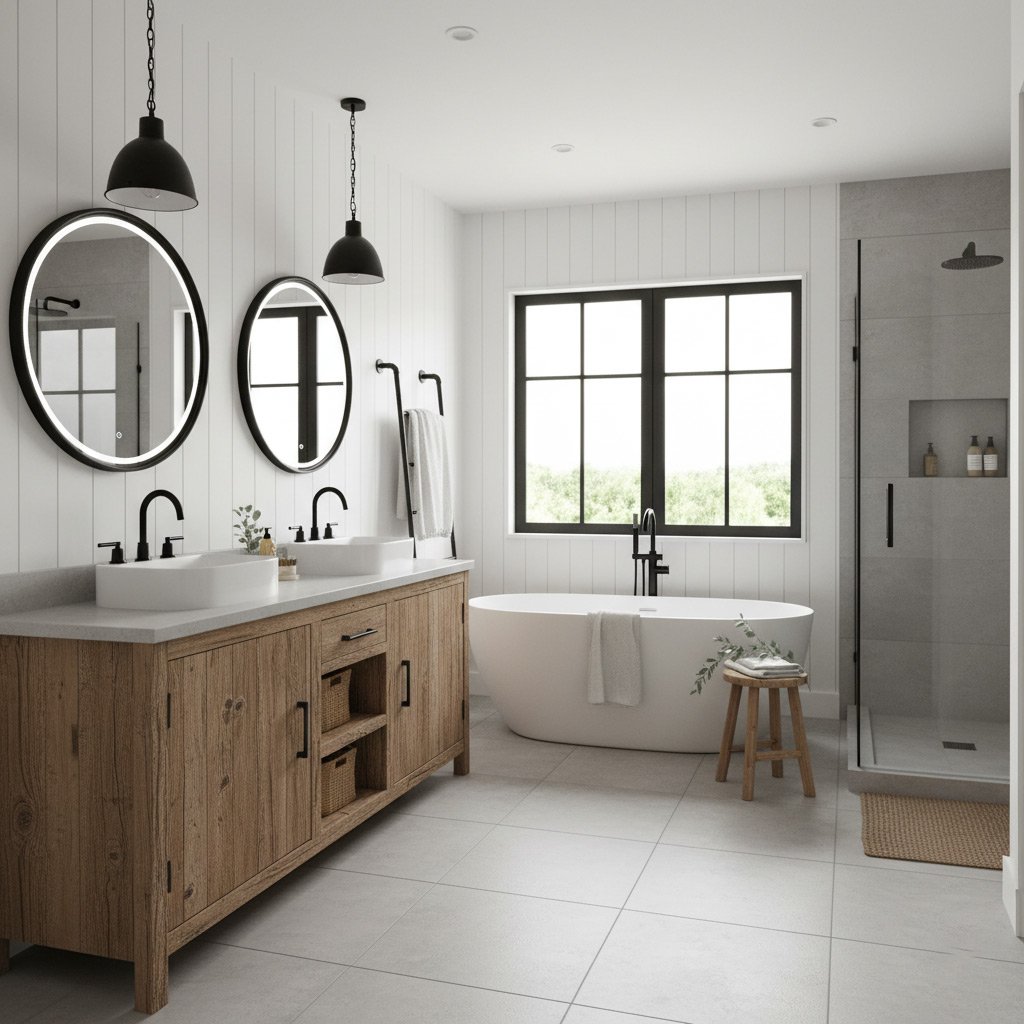
Picture this: you step into a tub that cradles you like a warm hug, the water soothing your muscles while you stay safely upright. No slipping, no awkward contortions—just pure, effortless relaxation right in your Florence bathroom.
Walk‑in tubs aren’t a luxury for the few; they’re a smart upgrade for anyone who wants a safer, more comfortable bathing experience under the Arizona sun. Whether you’re dealing with arthritis, limited mobility, or simply crave that spa‑like feel without leaving home, the right tub can change the way you start and end each day.
In the pages ahead we’ll break down the key features, sizing tricks, and local installer tips you need to pick the perfect model for your space. Ready to dive in and see how a walk‑in tub can transform your routine? Keep reading and discover the details that matter most.
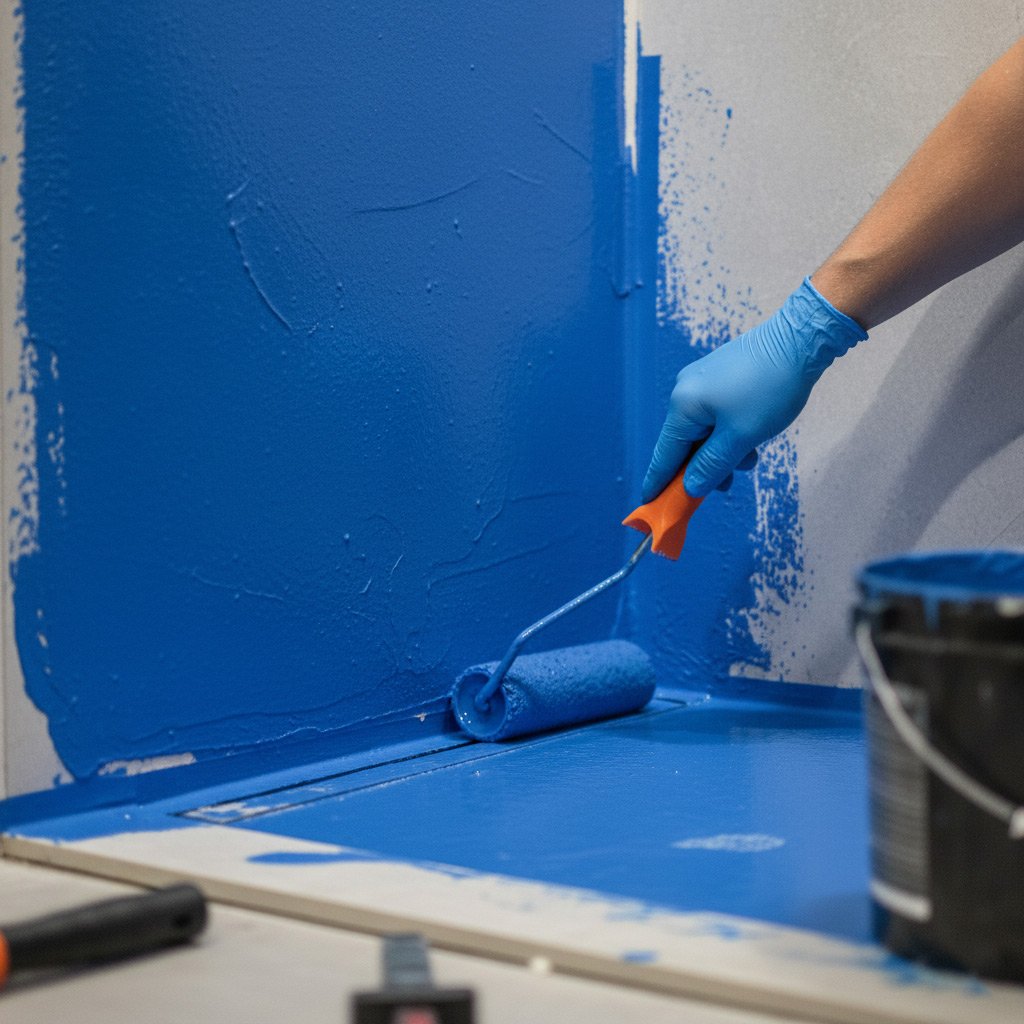
Types of Walk‑In Tubs: Hydrotherapy, Standard, and Luxury Models
Hydrotherapy Walk‑In Tubs
These tubs turn a simple soak into a full‑body treatment. Jets pulse water at targeted spots, easing sore muscles and joints. In a Florence home, the heat stays steady even when the desert sun blazes outside.
- Adjustable jet pressure for a gentle massage or a deep‑tissue push.
- Built‑in air‑bubble system that lifts tension.
- Thermostat control keeps water at the perfect temperature.
Standard Walk‑In Tubs
Think of these as the workhorse of walk‑in tubs—reliable, straightforward, and budget‑friendly. They give you the safety of a low‑step entry and a sturdy seat without the extra frills.
- Low threshold, usually 4‑6 inches.
- Simple hand‑rail configuration.
- Durable acrylic shell that resists cracking.
Luxury Walk‑In Tubs
If you want the spa vibe without leaving your house, the luxury line delivers. These models combine high‑end finishes with tech that makes bathing feel like a ceremony.
- LED mood lighting that syncs with music.
- Touch‑screen controls for jets, temperature, and timers.
- Premium finishes such as brushed nickel or chrome accents.
Essential Safety Features: Anti‑Slip Flooring, Handrails, and Emergency Controls
Anti‑Slip Flooring
Choosing a floor that grips even when it’s wet is non‑negotiable. Textured porcelain tiles or non‑porous acrylic mats give you traction without sacrificing style.
- Rough‑in surface rating of 0.6 or higher
- Seamless installation to avoid trip points
- Easy‑clean finish for desert dust and occasional spills
Handrails
Handrails are the silent guardians of every walk‑in tub. Install them at a 45‑degree angle so you can lean without straining your shoulders. Look for stainless‑steel or powder‑coated aluminum that won’t rust under Arizona heat.
Emergency Controls
When you’re alone, a quick‑press button can be a lifesaver. Opt for a low‑profile, waterproof remote that activates a call‑out system or shuts off the water instantly. Pair it with a built‑in seat sensor that alerts you if you stay seated too long.
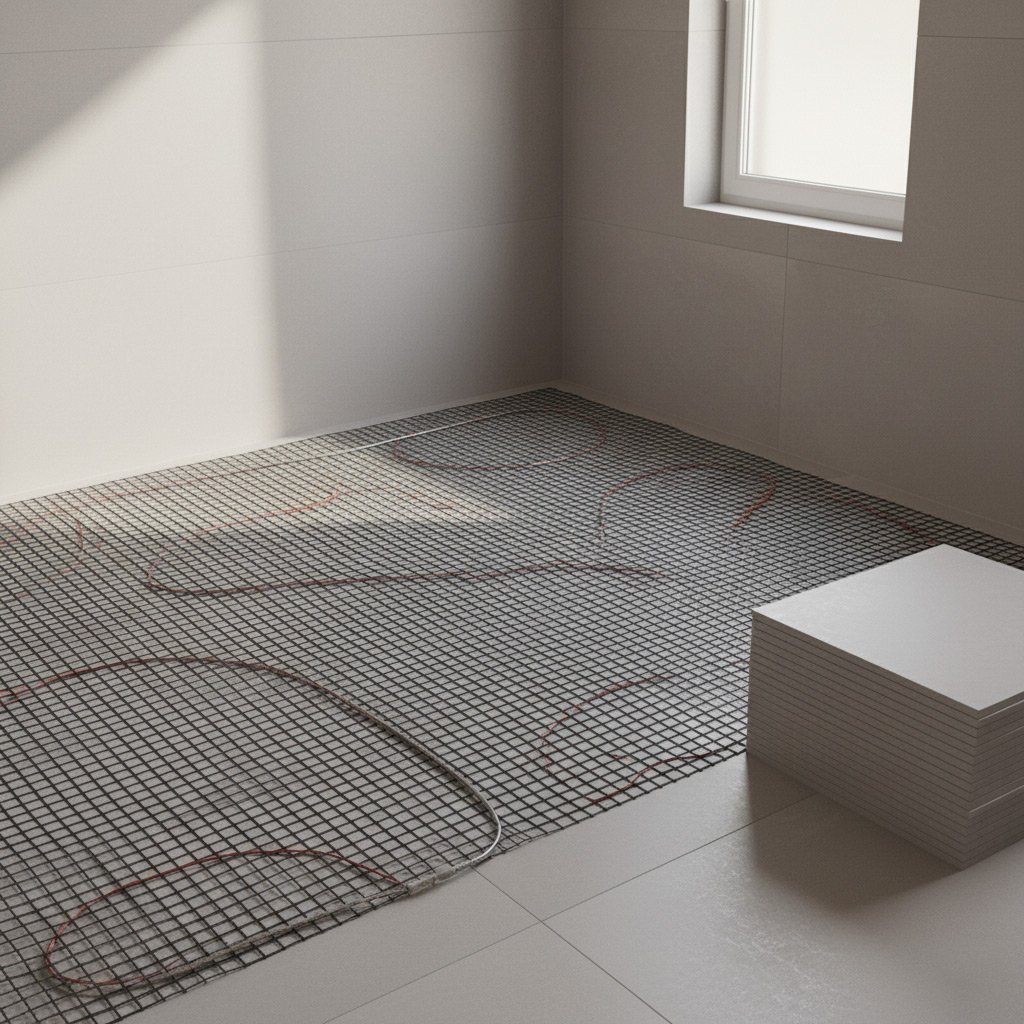
Sizing and Layout: Accurate Measurements, Space Planning, and Clearance Requirements
Take the Right Measurements
Start with the floor footprint. Grab a tape, measure length, width, and height of the existing tub space, then add a 6‑inch buffer on every side for wiggle room.
Don’t forget the door swing. Measure from the hinge to the opposite wall; you’ll need at least 32 inches of clear opening for most walk‑in models.
- Measure from floor to ceiling – ensure the tub’s height won’t clash with light fixtures.
- Record the distance to the nearest plumbing stack – a short run saves labor.
- Note any built‑in obstacles (shower walls, cabinets) that might need relocation.
Plan for Clearance
Safety isn’t just about rails; it’s about space to move. Aim for a minimum of 24 inches of clear floor in front of the tub so a wheelchair or walker can glide in.
Side clearance matters too. Keep at least 18 inches between the tub edge and any side wall or vanity to avoid a cramped feel.
- Allow 12‑inch clearance on each side for handrails.
- Check ceiling height – a low ceiling can make the entry feel tight.
- Plan for a slip‑resistant mat that fits within the allotted floor area.
Fit It In Without a Fight
When you’ve got the numbers, match them to a tub model that respects those limits. Many manufacturers list “minimum clearance” specs – treat them like a non‑negotiable rule.
Don’t overlook the plumbing chase. A short, straight run from the existing drain to the new tub reduces the chance of leaks and cuts installation time.
- Consider a wall‑mounted faucet to free up floor space.
- Check if the tub’s door opens outward; you may need extra room outside the bathroom.
- Ask your Florence contractor to sketch a quick layout before ordering.
Material Selection for Arizona Climate: Acrylic vs. Fiberglass vs. Porcelain Enamel
Acrylic – The All‑Season Performer
Arizona heat can be relentless, but acrylic stays cool to the touch and resists warping. It’s lightweight, so installation is a breeze, and the surface hides scratches like a champ.
- Durability: UV‑stable, won’t yellow under the desert sun.
- Easy to clean – a quick wipe and it looks showroom‑ready.
- Custom shapes and sizes are readily available.
Fiberglass – The Budget‑Friendly Contender
Fiberglass feels a bit softer under your hand, yet it still holds up against the temperature swings of a Florence home. It’s the go‑to when you want value without sacrificing safety.
- Lower upfront cost compared to acrylic.
- Lightweight: reduces stress on floor joists.
- Resists cracking, even if the tub shifts slightly during a remodel.
Porcelain Enamel – The Classic Look
If you love the timeless shine of a porcelain finish, you’ll appreciate its resistance to stains and chemicals. The downside? It’s heavier, so you’ll need a solid floor and a pro installer.
- Hard, glossy surface that repels water.
- Heat‑resistant: doesn’t expand or contract dramatically.
- Requires careful handling during transport and installation.
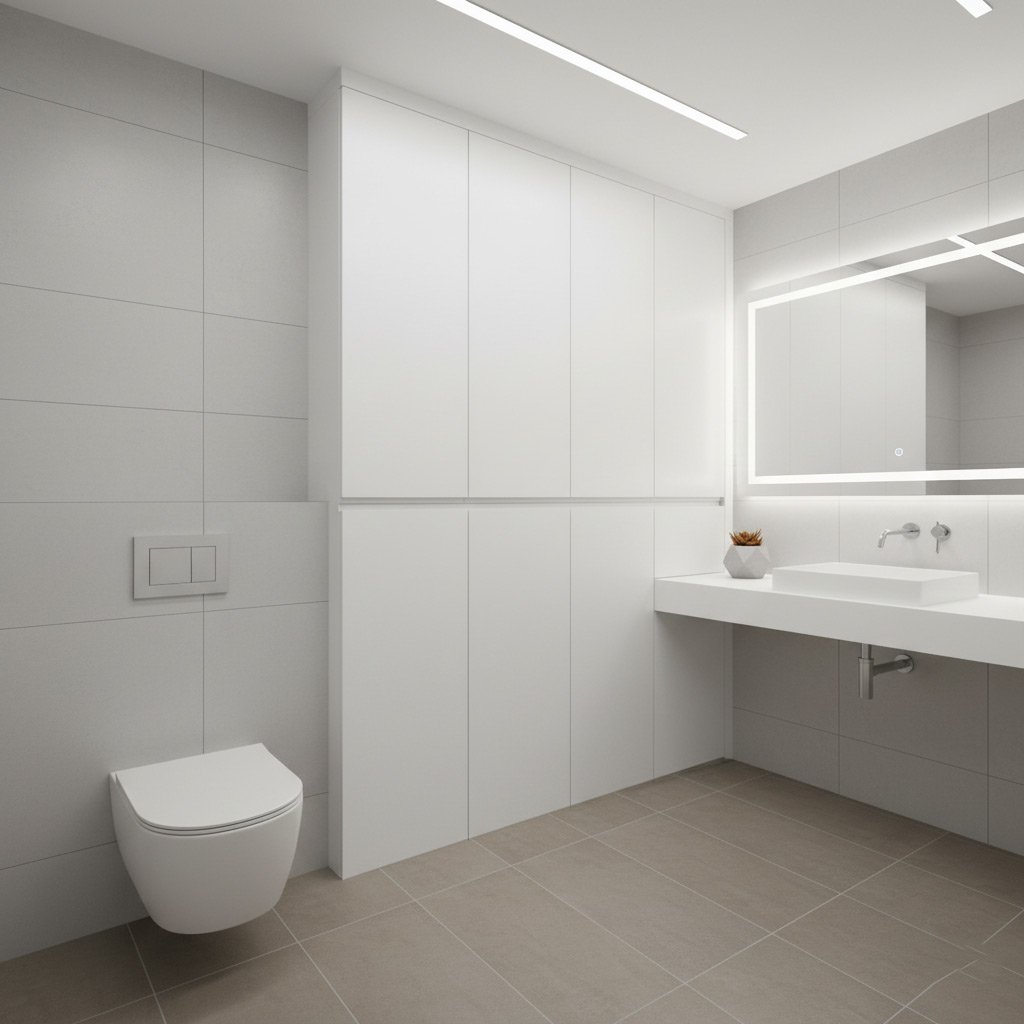
Local Installation Insights: Permits, Plumbing Adjustments, and Choosing a Florence‑Based Contractor
Permits in Florence, AZ
Before any sawdust hits the floor, the town of Florence expects a simple plumbing permit for a walk‑in tub. Grab the form online or swing by the Planning & Development Services office; the fee is usually under $100.
Most contractors will file the paperwork for you, but keep a copy handy in case the inspector asks for proof of compliance.
Plumbing Adjustments
Arizona’s hard water can be tough on fixtures, so a dedicated shut‑off valve and a pressure‑balancing valve are must‑haves. These components protect the tub’s jets and extend its life.
If your home uses a shared drain line, you may need a larger pipe diameter to avoid clogs. A licensed plumber can reroute the waste line in a single day, minimizing disruption.
Choosing a Florence‑Based Contractor
Local knowledge beats generic quotes every time. Look for a team that knows the desert climate, the city’s code quirks, and the best suppliers for acrylic tubs.
- License & insurance: Verify both are current and specific to bathroom remodels.
- References: Ask for at least two recent walk‑in tub installations in the area.
- Warranty coverage: A solid 5‑year warranty on labor shows confidence.
- Timeline clarity: A written schedule keeps the project on track.
Case Study: Revamping a Florence Senior’s Bathroom with a Custom Walk‑In Tub Installation
Background
Mrs. Elena Martinez, 78, lives alone in a modest home near the Gila River. She struggled with arthritis and a recent fall that left her wary of the traditional bathtub.
Her goals were simple: safe entry, easy exit, and a touch of comfort that felt like a spa. The existing bathroom measured 5’ × 7’, leaving little wiggle room.
- Limited mobility
- Need for anti‑slip flooring
- Desire for a low‑profile tub
Solution
We partnered with a local Florence contractor who specializes in walk‑in tubs. After a site visit, they recommended a **standard‑size hydrotherapy model** with a built‑in seat and handheld controls.
The installation plan included:
- Removing the old tub and tile
- Re‑routing the water lines to accommodate a 45‑gallon capacity
- Adding a non‑slip acrylic floor and stainless‑steel handrails
All work complied with the town’s plumbing permits, and the crew finished in just two days.
Results
Mrs. Martinez now steps into her tub with confidence; the low threshold and sturdy rails eliminate the fear of slipping.
She reports less joint pain after each soak, thanks to the built‑in jet system. The project also boosted her home’s resale value—an unexpected bonus for a senior‑focused remodel.
Final Words
Even the best walk‑in tub will lose its shine if you skip the simple upkeep. Rinse the acrylic surface after each use, check the seals for wear, and give the jets a quick clean every month. Small habits keep big savings on repairs down the road.
What to Do Next
- Ask your installer about a manufacturer’s warranty and what it covers.
- Explore financing plans that let you spread the cost over 12‑36 months.
- Schedule a free in‑home consultation with a local Florence contractor.
When you’re ready to turn the idea into reality, head over to our Walk In Tub page. You’ll find a list of trusted pros, FAQs, and the latest promotions that make the upgrade painless and affordable.
People Also Ask
What are the main differences between hydrotherapy, standard, and luxury walk‑in tubs?
Hydrotherapy tubs include jets and temperature controls for therapeutic bathing, while standard tubs focus on basic accessibility features. Luxury models combine hydrotherapy with premium finishes, ergonomic seating, and advanced safety options.Do I need a building permit to install a walk‑in tub in Florence, AZ?
Yes, most municipalities, including Florence, require a permit for major plumbing or structural changes. Your contractor should handle the permit process to ensure compliance with local codes.Which material—acrylic, fiberglass, or porcelain enamel—is best for Arizona’s climate?
Acrylic is lightweight, retains heat well, and resists cracking in hot, dry conditions, making it a top choice for Arizona. Fiberglass is also durable but can feel cooler, while porcelain enamel offers a classic look but is heavier and more prone to chipping.How much clearance space is needed around a walk‑in tub for safe entry and exit?
Aim for at least 36 inches of clear floor space on the side of the tub and 24 inches in front for the door to open fully. This provides enough room for a caregiver or wheelchair to maneuver safely.Can a walk‑in tub be retrofitted into an existing bathroom without major remodeling?
In many cases, a walk‑in tub can replace a standard tub with minimal plumbing adjustments. However, proper floor reinforcement and adequate space planning are essential to avoid costly structural changes.
Florence Bathroom Remodel specializes in comprehensive bathroom renovations, bringing modern design and functional upgrades to homes throughout Florence, Arizona. With over a decade of hands‑on experience, the team combines skilled craftsmanship with a deep understanding of local building codes and styles. Their commitment to personalized service ensures each project reflects the unique needs of the community they serve.
Need Bathroom Remodel?
We deliver rapid, reliable HVAC repairs and installations to homes and businesses in Florence, AZ (85132, 85131, 85138) and surrounding communities, ensuring comfort and efficiency within hours of your call. Our technicians arrive on schedule and complete work efficiently, so you get back to normal faster.
Get Bathroom Quote